Article Plan: Tank Top Logo Placement Guide (as of 12/11/2025 17:59:07)
This guide details optimal tank top logo placement, considering styles, audience, and printing methods for impactful branding. It’s updated as of today’s date.
Strategic logo placement elevates tank top designs, boosting brand visibility and appeal. Careful consideration of style, target demographics, and printing techniques is crucial for success.
Why Logo Placement Matters on Tank Tops
Effective logo placement on tank tops significantly impacts brand recognition and overall aesthetic appeal. A well-positioned logo grabs attention, communicates brand identity, and enhances the garment’s value. Poor placement can distort the logo, diminish its impact, or even appear unprofessional.
Considering the tank top’s unique cut and stretch, placement must account for potential distortion during wear. Strategic positioning ensures the logo remains visible and legible, maximizing brand exposure during activities like workouts or casual wear. Ultimately, thoughtful logo placement transforms a simple tank top into a powerful branding tool.
Understanding Tank Top Styles & Their Impact
Tank top styles dramatically influence optimal logo placement. Racerback tanks offer placement opportunities on the back and shoulder blades, while muscle tanks suit armhole or side seam designs. Ribbed tanks require consideration of the texture to ensure logo visibility.
Standard tank tops provide more versatility, allowing for classic chest placements. Each style presents unique challenges and advantages regarding logo size, shape, and printing method. Understanding these nuances is crucial for achieving a visually appealing and effective branding outcome. Ignoring style-specific considerations can lead to a poorly integrated logo.
Target Audience & Brand Identity Considerations
Knowing your target audience is paramount for effective logo placement. A youthful demographic might respond well to bold, central chest designs, while a more sophisticated audience may prefer subtle, left chest logos.
Brand identity dictates the overall aesthetic. Minimalist brands benefit from smaller, understated logos, while brands aiming for impact should consider larger, more prominent placements. Consider the emotional connection you want to forge. Logo placement should reinforce brand values and resonate with the intended consumer, creating a cohesive and memorable impression.

Common Tank Top Logo Placement Areas
Explore standard locations for tank top logos: left chest, center chest, and right chest. Each offers unique visibility and stylistic advantages.
Left Chest Placement: Classic & Versatile
Left chest logo placement is a timeless choice, offering a balanced and understated aesthetic. This position works exceptionally well for smaller logos or branding elements, providing a subtle yet recognizable presence. It’s incredibly versatile, suiting a wide range of tank top styles and target audiences.
Consider this placement for brands aiming for a classic, athletic, or everyday look. It doesn’t overwhelm the garment, allowing the tank top’s design to shine through while still effectively communicating brand identity. This area is also ideal for embroidered logos, enhancing durability and perceived quality.
Center Chest Placement: Bold & Direct
Center chest placement delivers a powerful and immediate brand statement. This location is best suited for logos that are designed to grab attention and make a strong visual impact. It’s a bold choice, ideal for brands wanting to showcase their identity prominently on the tank top.
Larger logos or designs work particularly well in this position, ensuring visibility and readability. However, careful consideration must be given to logo size and proportionality to avoid overwhelming the garment. This placement is frequently used by athletic brands or those aiming for a modern, assertive aesthetic.
Right Chest Placement: Subtle & Modern
Right chest logo placement offers a sophisticated and understated branding approach. This location is favored by brands seeking a more refined and contemporary aesthetic. It’s a subtle yet effective way to display a logo without being overly assertive, projecting an image of quiet confidence and style.
Smaller logos generally work best in this position, maintaining a balanced and proportionate look. This placement is often preferred for brands targeting a discerning audience or those wanting to convey a sense of exclusivity. It’s a versatile option suitable for various tank top styles and designs.

Detailed Analysis of Placement Options
We’ll explore small, medium, and large logo placements, analyzing how size and position impact overall tank top design and brand visibility.
Small Logo Placement (Pocket Area)
Positioning a logo in the pocket area offers a subtle yet recognizable branding opportunity. This placement is ideal for brands aiming for a minimalist aesthetic or those wanting to avoid overwhelming the tank top’s design. It’s particularly effective on styles without a prominent chest graphic.
Consider the logo’s color contrast against the fabric; a tonal approach can be sophisticated, while a bolder color provides more visibility. Ensure the logo size is proportionate to the pocket itself – avoid overcrowding or appearing too insignificant. This area works well with screen printing or DTG for detailed designs, offering durability and clarity.
Medium Logo Placement (Standard Chest)
Standard chest placement is a versatile option, offering a balance between visibility and subtlety. This area allows for a logo of moderate size, making it suitable for a wide range of brands and designs. It’s a classic choice that works well across various tank top styles, including racerbacks and muscle tanks.
When utilizing this placement, carefully consider the logo’s size relative to the chest area. Avoid designs that appear too cramped or overly dominant. Screen printing is a durable and cost-effective method for medium-sized logos, while DTG allows for intricate details and color gradients.
Large Logo Placement (Full Chest/Back)
Full chest or back logo placement makes a bold statement, ideal for brands seeking maximum visibility. This approach is particularly effective for athletic teams, events, or brands aiming for a strong, impactful aesthetic. However, it requires careful consideration of design and fabric stretch.
Larger logos necessitate high-quality printing methods like screen printing or DTG to maintain detail and durability. Back placement, especially on racerback tanks, offers a unique canvas. Ensure the logo doesn’t distort with movement and complements the tank’s overall shape. Proportionality is key to avoid an overwhelming look.
Logo Size & Proportions
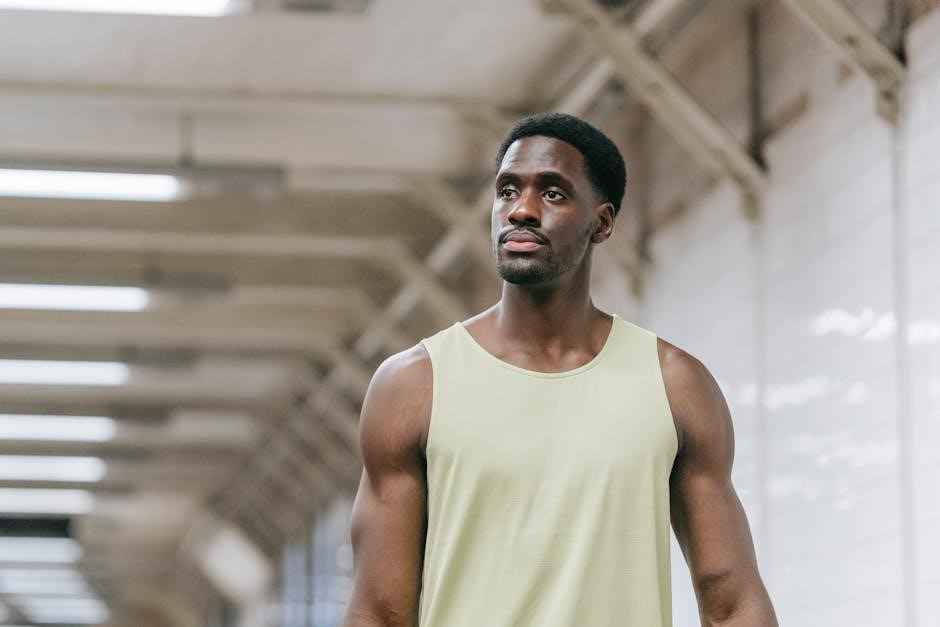
Achieving the right logo size and proportions is crucial for a visually appealing tank top. Balance visibility with the garment’s dimensions for optimal impact.
Determining Optimal Logo Size for Tank Tops
Establishing the ideal logo size requires careful consideration of several factors. Begin by assessing the tank top’s overall size – a small logo might get lost on a larger garment, while an oversized logo can appear overwhelming on a smaller one. Consider the logo’s complexity; intricate designs may necessitate a larger size for clarity.
Generally, a logo should occupy approximately 10-15% of the available space on the chest area. However, this is a guideline, and adjustments are often needed. Mockups are invaluable for visualizing different sizes and ensuring proportionality. Remember that fabric stretch can affect perceived size, so testing on a stretched sample is essential. Prioritize readability and visual balance.
Maintaining Proportionality with Tank Top Size
Proportionality is key to a visually appealing logo placement. A logo that looks perfect on a size medium tank top might appear too large or too small on a size small or extra-large. Always scale the logo’s dimensions relative to the garment’s width and height. Utilize a consistent measurement system – inches or centimeters – to ensure accuracy across all sizes.
Creating a size chart with corresponding logo dimensions is highly recommended. Consider the target audience; a bolder logo might suit a younger demographic, while a more subtle approach may be preferable for others. Regularly review and adjust logo sizes based on customer feedback and sales data.
Avoiding Overly Large or Small Logos
Extremes in logo size detract from the overall aesthetic. An overly large logo can overwhelm the tank top’s design and appear garish, while a logo that’s too small might be barely noticeable, defeating its purpose. Strive for balance; the logo should complement, not dominate, the garment.

Consider legibility – a tiny logo loses detail, and a massive one can distort during wear. Test prints across various sizes are crucial. A good rule of thumb is to ensure the logo is proportionate to the wearer’s body and visible from a reasonable distance. Prioritize clarity and impact.
Design Considerations for Tank Top Logos
Effective tank top logos require careful attention to color, font, and style. These elements must harmonize with the fabric and brand identity.
Logo Color & Contrast with Tank Top Fabric
Selecting appropriate logo colors is crucial for visibility and brand representation on tank tops. Consider the tank top’s fabric color; high contrast generally ensures the logo stands out. Dark logos on light fabrics and vice versa are often effective. However, subtle tones can work for a minimalist aesthetic.
Avoid colors that blend into the fabric, diminishing the logo’s impact. Test color combinations digitally and on physical samples to assess how they appear under different lighting conditions. The chosen colors should align with the brand’s overall color palette and evoke the desired emotions. Remember that certain printing methods may affect color vibrancy.
Font Choice & Readability
Font selection significantly impacts logo legibility on tank tops, especially considering fabric texture and potential stretching. Opt for clean, easily readable fonts, avoiding overly intricate or thin designs. Sans-serif fonts often perform well due to their simplicity. Consider the font’s weight and spacing to ensure clarity, even from a distance.
Test different font sizes to find the optimal balance between visibility and aesthetic appeal. Avoid fonts that appear distorted when stretched across the fabric. The font should complement the logo’s overall style and reinforce the brand’s identity. Prioritize readability over stylistic flourishes.
Logo Style (Minimalist, Bold, Vintage, etc.)
The logo’s style must align with the tank top’s aesthetic and the brand’s overall image. Minimalist logos work well for a clean, modern look, while bold designs command attention. Vintage styles evoke a sense of nostalgia and heritage. Consider the target audience’s preferences when selecting a logo style.
A complex, detailed logo might be best suited for larger placement areas, whereas simpler designs can be effective even in smaller formats. Ensure the logo style complements the tank top’s fabric and cut. The chosen style should enhance, not detract from, the garment’s overall appeal.
Printing Methods & Their Impact on Placement
Different printing techniques—screen printing, DTG, and HTV—affect logo durability, detail, and suitable placement areas on tank tops.

Screen Printing: Durability & Versatility
Screen printing remains a popular choice for tank top logos due to its exceptional durability and cost-effectiveness, especially for larger orders. This method involves pressing ink through a stenciled mesh screen onto the fabric, creating a vibrant and long-lasting print.
Regarding placement, screen printing works well across all common areas – chest, back, and even side seams. However, intricate designs with fine details might be challenging. The robustness of screen printing makes it ideal for athletic tank tops subjected to frequent washing and wear. It’s a versatile option suitable for various fabric types, offering consistent results.
Direct-to-Garment (DTG) Printing: Detail & Complexity
Direct-to-Garment (DTG) printing excels at reproducing highly detailed and complex logos on tank tops, offering a significant advantage over screen printing in this regard. This digital printing method sprays ink directly onto the fabric, allowing for gradients, photographic images, and intricate designs with ease.
DTG is particularly beneficial for small batches or customized tank tops with unique designs. While generally less durable than screen printing, advancements in ink technology are improving wash fastness. Placement flexibility is high, but darker fabrics may require a pre-treatment for vibrant colors.
Heat Transfer Vinyl (HTV): Small Batches & Customization
Heat Transfer Vinyl (HTV) is ideal for small-run tank top orders and highly personalized designs, offering a cost-effective solution when screen printing isn’t feasible. HTV involves cutting designs from vinyl sheets and applying them to the fabric using heat and pressure.
This method allows for intricate details and multiple colors, but designs are layered, potentially affecting breathability. HTV excels in customization – names, numbers, or unique graphics are easily added. Durability depends on vinyl quality and proper application; follow care instructions carefully to prevent peeling or cracking.
Specific Tank Top Styles & Recommended Placement
Different tank top styles necessitate varied logo placements to maximize visibility and aesthetic appeal, considering cuts like racerback and muscle tanks.
Racerback Tank Tops: Back & Shoulder Blade Placement
Racerback tank tops present unique branding opportunities. Due to the open back design, logo placement shifts focus away from the traditional chest area. Consider a centered logo between the shoulder blades for a striking visual impact, especially during movement. Smaller logos can be subtly positioned on the upper back, near the straps, offering a more discreet branding option.

Avoid placing large logos too low, as they may appear distorted or uncomfortable. The smooth, often minimalist design of racerbacks lends itself well to clean, modern logo styles. Ensure the chosen printing method – screen printing or DTG – complements the fabric’s stretch and breathability for lasting quality.
Muscle Tanks: Armhole & Side Seam Placement
Muscle tanks, with their wider armholes, offer distinctive logo placement options. A logo near the armhole draws attention to the physique and creates a dynamic look, particularly suited for fitness brands. Consider smaller, impactful designs in this area. Alternatively, the side seam provides a subtle yet visible branding location, ideal for minimalist logos or brand identifiers.
Avoid overly large logos that might restrict movement or appear bulky. The fabric of muscle tanks often has a looser weave, so choose a durable printing method like screen printing. Ensure the logo’s design complements the tank’s relaxed fit and athletic aesthetic.
Ribbed Tank Tops: Texture Considerations & Placement
Ribbed tank tops present unique challenges due to their textured fabric. Logo placement must account for the vertical ribbing to avoid distortion. Center chest placement can work, but ensure the design isn’t broken up by the ribs. Smaller logos, positioned slightly above the bust line, often integrate better with the texture.
Consider using Direct-to-Garment (DTG) printing for intricate designs that can adapt to the fabric’s contours. Avoid large, solid-color logos that may appear uneven. Prioritize designs that complement the ribbed aesthetic, perhaps echoing the vertical lines.
Avoiding Common Logo Placement Mistakes
Prevent errors like skewed logos from stretch, placement too high or low, and ignoring seam lines or pockets—critical for a polished look.
Placement Too High or Too Low
Incorrect vertical positioning drastically impacts visual appeal. Logos placed too high can appear awkward, disrupting the tank top’s flow and body proportions. Conversely, logos positioned too low may seem lost or unintentionally altered by body movement. Consider the wearer’s anatomy; a logo should complement, not clash with, natural curves.
Optimal placement aligns with the chest’s natural midpoint, creating a balanced and aesthetically pleasing look. Testing on various body types is crucial to ensure consistent, flattering placement across sizes. Remember, subtle adjustments can make a significant difference in the overall impression.
Distorted Logos Due to Fabric Stretch
Tank top fabrics, especially those with high stretch, can distort logos during wear. This is particularly problematic with screen printing or heat transfer vinyl, where designs aren’t inherently flexible. Stretching can elongate, compress, or warp the logo, diminishing brand recognition and professional appearance.
Mitigation involves choosing stretchable inks, employing DTG printing for greater detail retention, or strategically placing logos in areas with minimal strain. Thorough testing on stretched fabric samples is vital before production. Consider design elements that accommodate potential distortion, like simpler shapes or thicker lines.
Ignoring Seam Lines & Pockets
Strategic logo placement requires careful consideration of tank top construction. Ignoring seam lines and pockets can lead to awkward or visually disruptive designs. Logos bisected by seams appear fragmented, while placement directly over pockets renders them obscured or distorted.
Always map out seam locations and pocket positions before finalizing logo placement. Utilize these elements to frame the design or create visual balance. Avoid placing critical logo components directly on seams or pockets. Thoughtful planning ensures a clean, professional aesthetic and maximizes logo visibility and impact.
Mockup & Testing Before Production
Digital mockups and physical samples are crucial for evaluating logo placement, fit, and overall appearance before committing to large-scale production runs.
Creating Digital Mockups of Logo Placement
Utilizing graphic design software is key to visualizing logo placement on various tank top styles and colors. These digital mockups allow for experimentation with size, position, and color combinations without the cost of physical samples. Consider using templates that accurately represent the garment’s shape and drape.
Software features should include the ability to simulate fabric texture and stretch, as this impacts logo distortion. Multiple views – front, back, and side – are essential for a comprehensive assessment. Presenting several mockup options to stakeholders facilitates collaborative decision-making and minimizes costly errors during production.
Physical Sample Testing for Fit & Appearance
After digital mockups, creating physical samples is crucial. Order tank tops in various sizes and colors to test logo placement in reality. Assess how the fabric stretches and distorts the logo during wear and movement. Examine the print quality and durability after washing, following garment care instructions.
Have individuals of different body types try on the samples to evaluate fit and appearance. Capture photos and videos to document the logo’s visibility and overall aesthetic. This hands-on testing reveals issues not apparent in digital simulations, ensuring a polished final product.
Gathering Feedback on Logo Placement Options
Solicit diverse opinions on your tank top logo placements. Share digital mockups and physical samples with your target audience, colleagues, and potential customers. Ask specific questions about visibility, aesthetic appeal, and brand representation. Utilize surveys, focus groups, or social media polls to gather quantifiable data.
Consider feedback regarding logo size, color contrast, and overall balance. Analyze responses to identify common preferences and potential concerns. This collaborative approach ensures the final logo placement resonates with your intended market and strengthens brand perception.