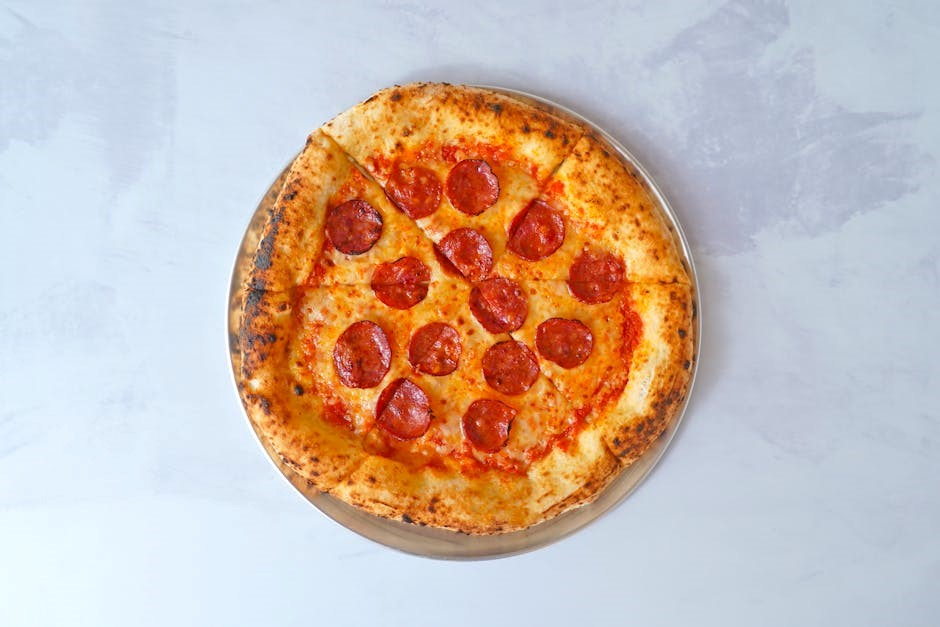
Pizza Cutting Guide: A Comprehensive Overview (Updated 03/05/2026)
This guide explores the art of pizza cutting‚ detailing techniques‚ tools‚ and tips for achieving perfect slices‚ enhancing both presentation and the overall dining experience.
The seemingly simple act of cutting a pizza is often underestimated‚ yet it profoundly impacts the enjoyment of this beloved dish. A skillfully cut pizza elevates the entire experience‚ ensuring each slice boasts a harmonious balance of crust‚ sauce‚ cheese‚ and toppings. Conversely‚ a haphazardly cut pizza can lead to uneven portions‚ frustratingly messy slices‚ and a diminished overall appreciation.
This guide delves into the nuances of pizza cutting‚ moving beyond basic techniques to explore a range of methods suitable for various pizza styles and occasions. From the classic 8-slice approach to more innovative cuts like spirals and honeycombs‚ we’ll equip you with the knowledge to confidently tackle any pizza. Mastering these techniques transforms a routine task into an art form‚ guaranteeing a delightful pizza experience every time.
Why Proper Pizza Cutting Matters
Beyond aesthetics‚ precise pizza cutting significantly impacts the eating experience. Clean cuts facilitate easy handling‚ preventing toppings from sliding off and ensuring a structurally sound slice. Evenly sized portions promote fairness and enjoyment among diners‚ eliminating disputes over who gets the “best” piece. A well-cut pizza also enhances flavor distribution‚ allowing each bite to contain a balanced medley of ingredients.
Furthermore‚ the cutting method can complement the pizza’s style. For example‚ New York-style slices benefit from large‚ foldable cuts‚ while party pizzas thrive with smaller‚ manageable squares. Ultimately‚ thoughtful pizza cutting demonstrates respect for the craft and elevates the entire meal‚ transforming it from simple sustenance to a truly satisfying culinary experience.
Essential Tools for Pizza Cutting
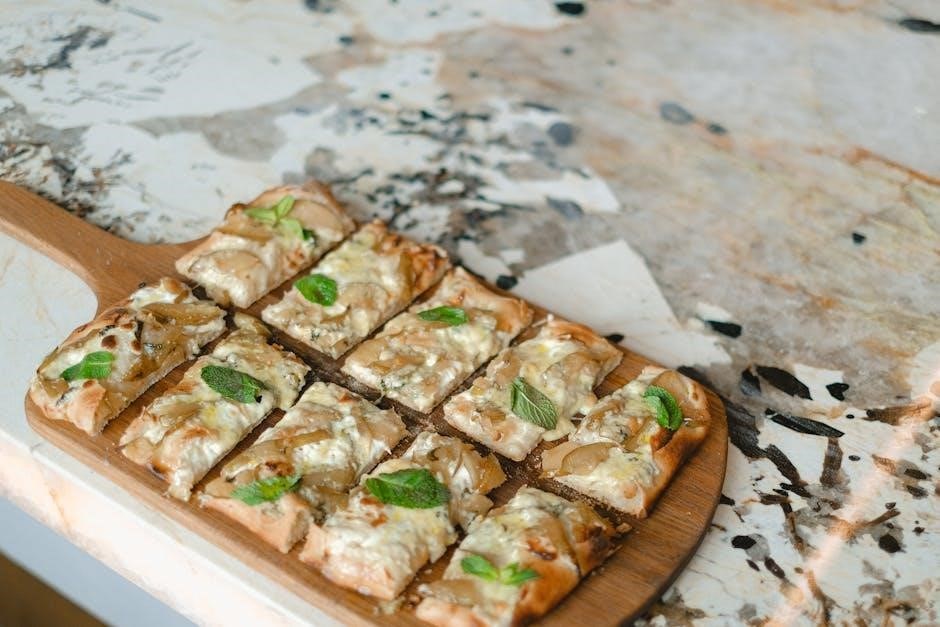
Various tools exist for slicing pizza‚ including traditional wheel cutters‚ mezzaluna knives‚ kitchen shears‚ and chef’s knives – each offering unique advantages.
Traditional Pizza Cutter (Wheel Cutter)
The traditional pizza cutter‚ often called a wheel cutter‚ remains a popular choice for its simplicity and efficiency. These cutters typically feature a sharp‚ circular blade mounted on a handle‚ allowing for a smooth‚ rocking motion across the pizza surface.
When using a wheel cutter‚ applying consistent‚ downward pressure is key to achieving clean cuts. It’s beneficial to wipe the blade frequently to prevent cheese buildup‚ which can hinder performance. For thicker crusts‚ a firm‚ deliberate motion is needed to cut through the layers without compressing them.
While effective‚ wheel cutters can sometimes struggle with toppings that create resistance. Regular cleaning and maintenance are essential to keep the blade sharp and ensure optimal cutting performance. They are generally affordable and readily available‚ making them a staple in many kitchens.
Mezzaluna Knife – The Rocking Blade
The Mezzaluna knife‚ characterized by its curved‚ double-handled blade‚ offers a unique approach to pizza cutting. This tool excels through a rocking motion‚ allowing for efficient and controlled slicing. Utilizing a Mezzaluna requires a bit of practice to master the technique‚ but it can deliver remarkably clean cuts.
The rocking motion minimizes dragging‚ which is particularly helpful when dealing with delicate toppings. Applying consistent pressure and maintaining a smooth arc are crucial for optimal results. It’s especially effective for larger pizzas‚ enabling quick division into slices;
However‚ the size of a Mezzaluna can make it slightly less maneuverable than a wheel cutter. Proper cleaning and sharpening are vital to maintain its effectiveness and prevent accidents.
Kitchen Shears – A Surprisingly Effective Method
While unconventional‚ kitchen shears present a surprisingly effective method for pizza cutting‚ particularly for those lacking a dedicated cutter. This technique works best on pizzas with a thinner crust and fewer‚ less substantial toppings. The shears allow for precise cuts‚ especially useful for creating smaller‚ bite-sized portions.
To utilize this method‚ ensure your shears are clean and sharp. Position the blades strategically and apply firm‚ even pressure. It’s often easier to cut through the pizza in sections rather than attempting a single‚ sweeping cut.
However‚ be cautious as this method requires more force and control to avoid uneven slices or damaging the shears.
Chef’s Knife – For the Experienced
Employing a chef’s knife for pizza cutting demands skill and precision‚ making it best suited for experienced cooks. This method offers excellent control‚ allowing for clean‚ deliberate slices‚ but requires a sharp blade and a confident hand. It’s crucial to avoid a sawing motion‚ which can tear the pizza and displace toppings.
A key tip is to allow the pizza to cool slightly before cutting‚ preventing the cheese from sticking to the blade. Use a gentle rocking motion‚ applying downward pressure while guiding the knife through the crust.
This technique is particularly effective for thicker crusts‚ ensuring a clean separation of layers.
Classic Pizza Cutting Techniques
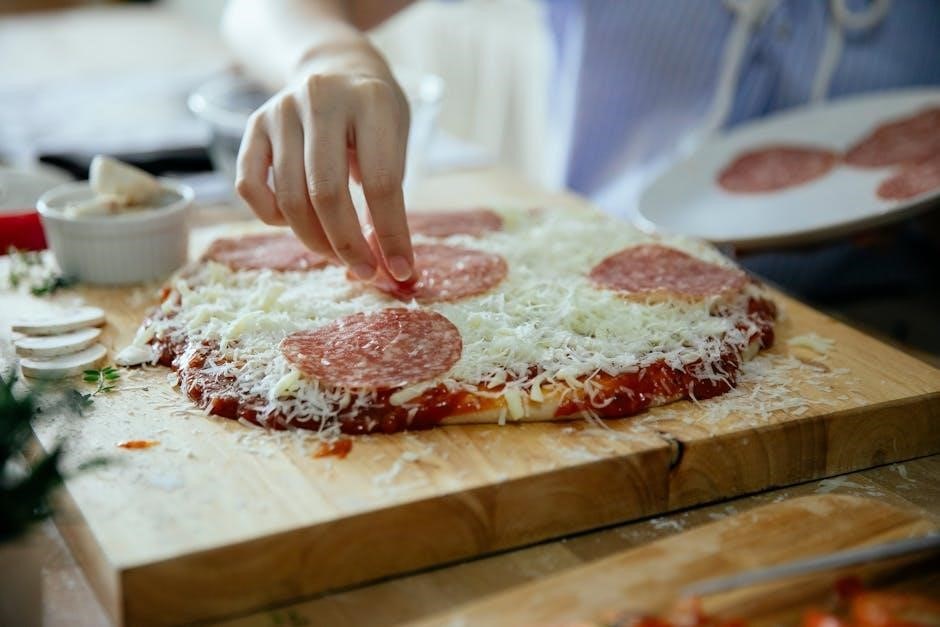
Explore traditional methods like the 8-slice‚ 6-slice‚ square/grid‚ and New York style cuts‚ each offering unique approaches to portioning and enjoyment;
The 8-Slice Method (Clock Face Approach)
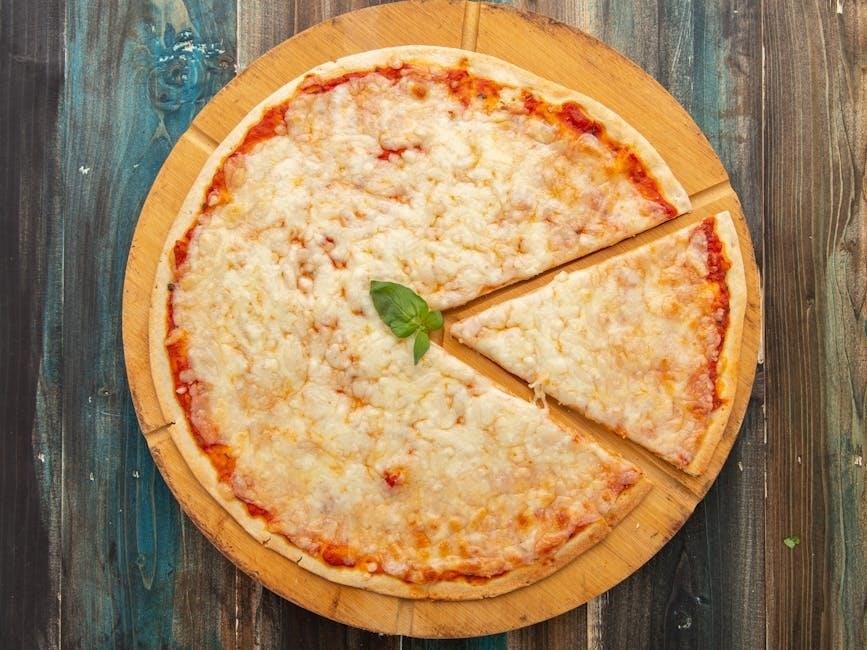
If you’re aiming for the classic 8-wedge pizza slicing style‚ begin by placing your pizza securely on a cutting board positioned on a firm‚ stable surface. Visualize the pizza as a clock face – this is key to achieving even slices. Initiate the cutting process by making straight‚ decisive slices directly across the pizza‚ spanning from the 6 o’clock to the 12 o’clock positions.
Once the initial cut is complete‚ rotate the entire pizza. Position the cut you’ve just made so it aligns with both the 9 o’clock and 3 o’clock markers on your imaginary clock face. Continue making subsequent cuts‚ mirroring the first‚ to create eight equally sized triangular slices. This method is widely favored for its simplicity and ensures everyone gets a fair share of pizza!
The 6-Slice Method – Simpler and Faster
For a quicker and more streamlined approach to pizza cutting‚ the 6-slice method offers a practical solution. Begin by making a single‚ straight cut directly across the center of the pizza‚ dividing it neatly in half. Then‚ rotate the pizza 60 degrees and make another straight cut‚ intersecting the first. Repeat this rotation and cutting process two more times‚ ensuring each cut is evenly spaced.
This technique results in six substantial slices‚ ideal for those with larger appetites or when a less formal presentation is desired. It’s particularly useful when speed is a priority‚ making it a great choice for casual gatherings or quick weeknight dinners. The 6-slice method prioritizes efficiency without sacrificing portion control.
Square/Grid Cutting – Ideal for Parties
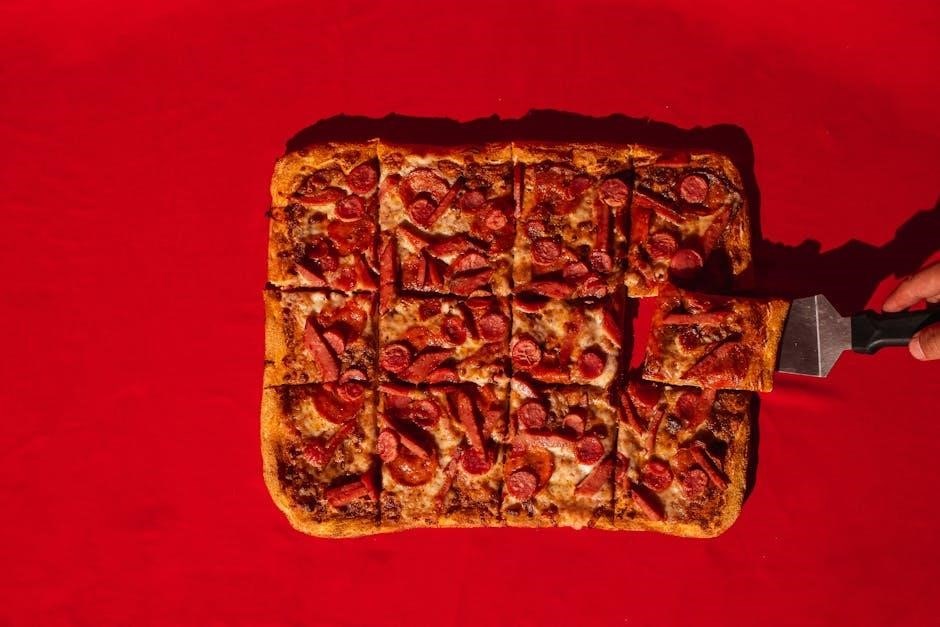
When hosting a party or gathering‚ the square or grid cutting method proves exceptionally practical. Instead of traditional triangular slices‚ this technique involves cutting the pizza into uniform squares or rectangles. Begin by making parallel cuts across the pizza‚ creating rows. Then‚ intersect these with perpendicular cuts‚ forming a grid-like pattern.
This approach yields numerous‚ bite-sized pieces‚ perfect for appetizers or allowing guests to easily sample different toppings. Smaller squares work wonderfully for gatherings‚ while larger squares satisfy heartier appetites. It’s a visually appealing and convenient method‚ minimizing the need for plates and maximizing shareability. This method ensures everyone gets a piece!
New York Style Slice – Large and Foldable
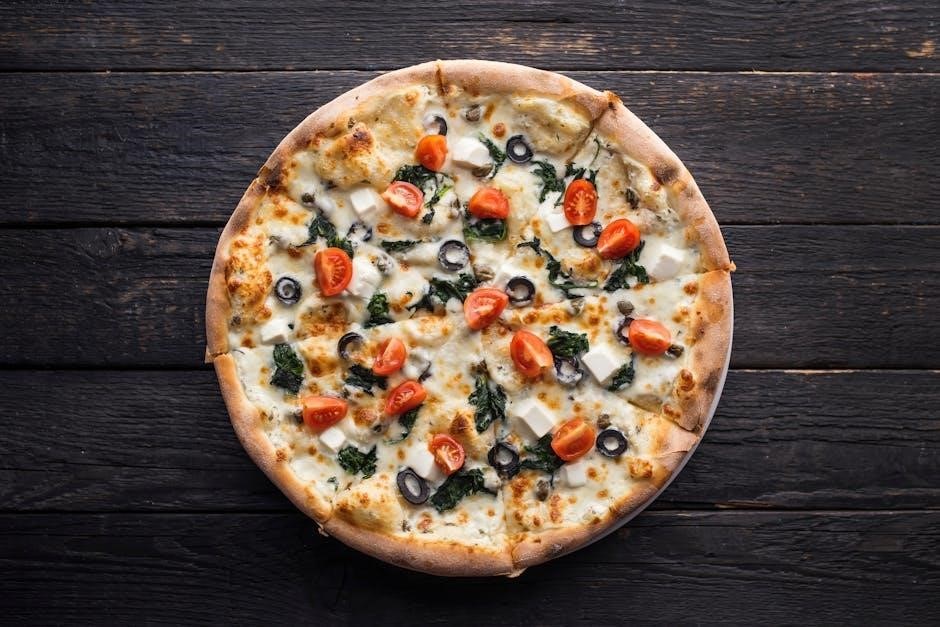
The New York style slice is characterized by its generous size and structural integrity‚ designed for easy handling and consumption on the go. Achieving this cut requires a confident‚ straight slicing motion‚ typically dividing the pizza into eight large‚ triangular portions. These slices are intentionally wide and long‚ allowing for the classic New York fold.
The fold is crucial – it creates a sturdy‚ self-contained vessel for the toppings and prevents dripping. This style prioritizes functionality and a satisfying‚ substantial bite. It’s a testament to practical pizza enjoyment‚ perfect for a quick lunch or a casual street food experience. Mastering this cut delivers an authentic New York pizza experience.
Advanced Pizza Cutting Techniques
Explore innovative methods like spiral‚ honeycomb‚ and specialized cuts for thick or thin crusts‚ elevating pizza presentation and offering unique bite-sized experiences.
Spiral Cutting – A Unique Presentation
Spiral cutting presents a visually striking alternative to traditional methods‚ transforming the pizza into an elegant centerpiece. Begin at the pizza’s center and‚ using a steady hand and a sharp cutter‚ work outwards in a continuous spiral. This technique requires patience and a smooth‚ consistent motion to maintain an even width throughout the cut.
The resulting slices offer a playful and interactive dining experience‚ as each piece naturally curls and provides a varied bite. It’s particularly effective for showcasing colorful toppings and creating a memorable presentation. While slightly more challenging than standard cuts‚ the spiral method adds a touch of artistry to your pizza serving‚ making it ideal for special occasions or when you want to impress your guests with a creative flair.
Honeycomb Cutting – Small‚ Bite-Sized Pieces
Honeycomb cutting‚ also known as party cutting‚ creates numerous small‚ bite-sized pieces perfect for gatherings and appetizers. This method involves making parallel cuts across the pizza in one direction‚ then repeating the process perpendicularly‚ forming a grid of squares or rectangles. The closer the cuts‚ the smaller the pieces‚ offering convenient‚ one-handed enjoyment for guests.
It’s an excellent choice for pizzas with diverse toppings‚ ensuring each bite contains a balanced flavor profile. Honeycomb cuts are particularly well-suited for children’s parties or casual events where easy snacking is desired. While it requires more cuts than traditional methods‚ the resulting presentation is visually appealing and highly functional‚ maximizing shareability and minimizing mess.
Cutting Thick Crust Pizza – Avoiding Compression
Cutting thick crust pizza presents a unique challenge: avoiding compression that squashes the toppings and deforms the slice. The key is to use a sharp blade and a deliberate‚ downward motion‚ rather than sawing back and forth. A rocking motion with a mezzaluna or a firm‚ clean slice with a chef’s knife works best. Ensure you’re applying consistent pressure throughout the cut.
For thicker crusts‚ it’s crucial to ensure you’re cutting through layers without crushing them beneath your blade. Allowing the pizza to cool slightly before cutting can also help maintain its structure. Avoid using dull blades‚ as they require more force and increase the risk of compression. A clean cut preserves the pizza’s integrity and enhances the eating experience.
Cutting Thin Crust Pizza – Maintaining Crispness
Maintaining the crispness of a thin crust pizza during cutting requires a delicate touch. Avoid applying excessive downward pressure‚ which can easily bend or break the delicate crust. A sharp pizza cutter or a chef’s knife is essential; dull blades will tear instead of slice‚ compromising the texture. A swift‚ clean motion is preferable to a sawing action.
It’s also beneficial to wait for the pizza to cool slightly‚ as a room temperature knife prevents cheese from sticking and allows for a cleaner cut. Carefully‚ lightly swipe through the pizza‚ then proceed with the second cut. Prioritize precision to avoid disrupting the crispy base and preserving the overall structural integrity of each slice.
Tips for Clean and Precise Cuts
For optimal results‚ allow the pizza to cool slightly‚ apply consistent pressure‚ and utilize a rocking motion when using a mezzaluna knife for clean slices.
Allowing the Pizza to Cool Slightly
One of the most frequently cited tips for achieving clean pizza cuts is to allow the pizza to cool for a short period before attempting to slice it. A freshly baked pizza‚ while tempting to devour immediately‚ presents challenges due to the molten cheese and soft crust. The heat causes the cheese to stretch and cling to the cutter‚ resulting in messy‚ uneven slices.
Furthermore‚ a very hot pizza can cause the toppings to shift and slide during the cutting process‚ disrupting the overall presentation. Allowing the pizza to cool slightly – typically around 5-10 minutes – allows the cheese to firm up‚ reducing its stickiness and making it easier to cut through. A cooler pizza also provides a more stable base‚ preventing the toppings from moving around excessively. This simple step significantly improves the precision and neatness of your cuts‚ ultimately enhancing the pizza-eating experience.
Applying Consistent Pressure
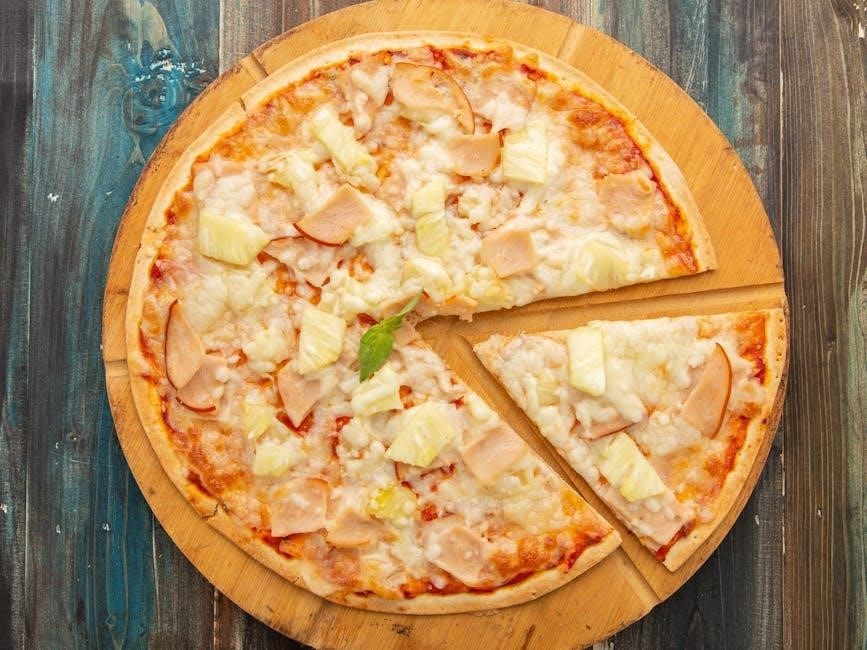
Achieving clean‚ uniform pizza slices relies heavily on the consistent application of pressure throughout the cutting motion. Whether utilizing a traditional wheel cutter‚ a mezzaluna‚ or even a chef’s knife‚ maintaining even downward force is paramount. Inconsistent pressure leads to uneven cuts – some slices may be completely severed‚ while others remain partially attached‚ tearing the pizza and disrupting the toppings.
Avoid jerky or hesitant movements; instead‚ aim for a smooth‚ fluid motion‚ applying steady pressure from the handle to the blade. This ensures the cutter penetrates the crust and toppings cleanly‚ without compressing or distorting the pizza. For thicker crusts‚ a slightly increased pressure may be necessary‚ but always prioritize control and consistency. Mastering this technique is fundamental to professional-looking pizza cuts.
Using a Rocking Motion (with Mezzaluna)
When employing a mezzaluna – the curved‚ rocking blade – the technique differs significantly from a standard wheel cutter. Instead of applying direct downward pressure‚ utilize a gentle rocking motion‚ pivoting the blade back and forth while guiding it across the pizza. This allows the mezzaluna’s curved shape to efficiently slice through the crust and toppings with minimal resistance.
Keep the blade’s edges in contact with the pizza surface throughout the rocking motion‚ and avoid lifting it prematurely. A smooth‚ rhythmic rocking action delivers clean cuts‚ especially beneficial for softer toppings. This method requires practice to master‚ but it’s incredibly effective and offers a unique cutting experience. Ensure a stable cutting board for optimal control and safety.
Presentation and Serving Considerations
Elevate the pizza experience with thoughtful presentation; garnishing with fresh herbs enhances visual appeal and flavor‚ catering to portion sizes and guest needs.
Garnishing Sliced Pizza
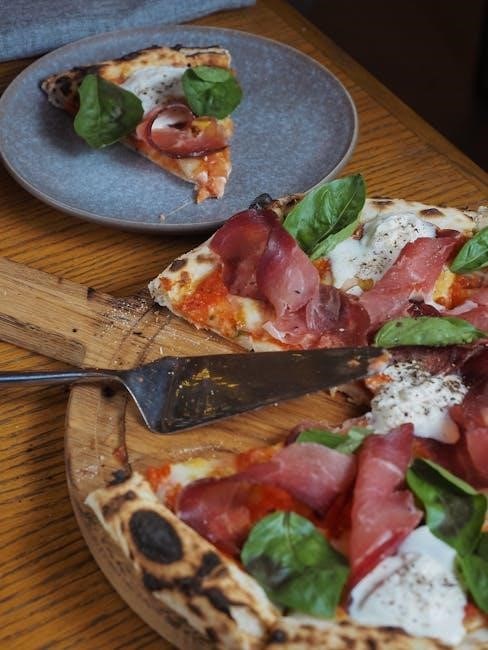
Garnishing sliced pizza isn’t merely about aesthetics; it’s about elevating the entire sensory experience. A simple sprinkle of fresh herbs – basil‚ oregano‚ or even a touch of red pepper flakes – can transform a standard pizza into something visually appealing and more flavorful. Consider the pizza’s toppings when selecting garnishes; for example‚ fresh basil complements a Margherita pizza beautifully‚ while a drizzle of balsamic glaze can enhance a prosciutto and arugula pie.
Beyond herbs‚ a light dusting of grated Parmesan cheese or a swirl of pesto can add both flavor and visual interest. Remember‚ less is often more; the goal is to enhance‚ not overwhelm‚ the existing flavors. Presentation matters‚ so arrange the slices artfully on a platter or in individual boxes for takeout. A beautifully garnished pizza demonstrates attention to detail and shows your guests you care.
Portion Size and Guest Needs
Determining appropriate portion sizes when cutting pizza is crucial for guest satisfaction. Consider the occasion – a casual family night versus a large party – and adjust slice sizes accordingly. Smaller squares are ideal as appetizers at gatherings‚ allowing guests to sample various flavors without overindulging. Larger slices suit heartier appetites during family meals or when pizza is the main course.
Be mindful of dietary restrictions and preferences. Offering a variety of pizza types caters to different tastes. When cutting‚ aim for consistent slice sizes to ensure fairness. Communicate with your guests about the pizza options and portion sizes available. Thoughtful consideration of guest needs demonstrates hospitality and enhances the overall enjoyment of the pizza experience.
Troubleshooting Common Cutting Problems
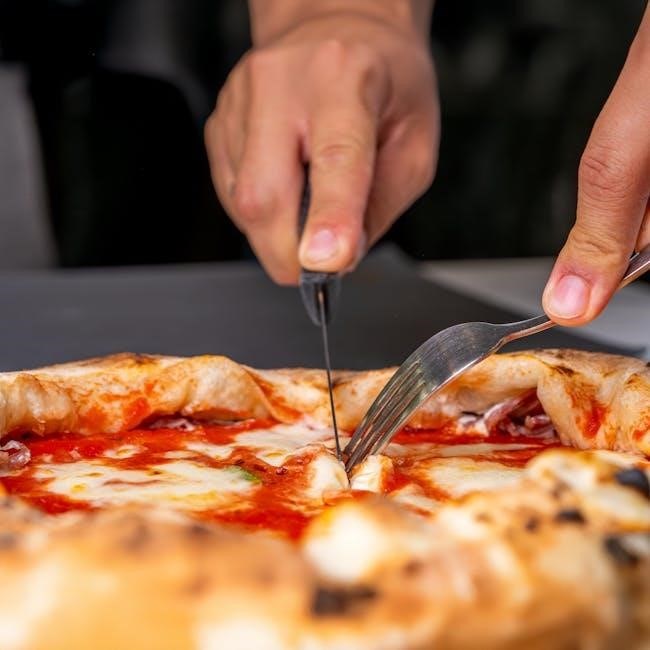
Addressing issues like cheese sticking or crust crumbling ensures a smooth cutting process‚ maintaining pizza integrity and presentation for a delightful eating experience.
Cheese Sticking to the Cutter
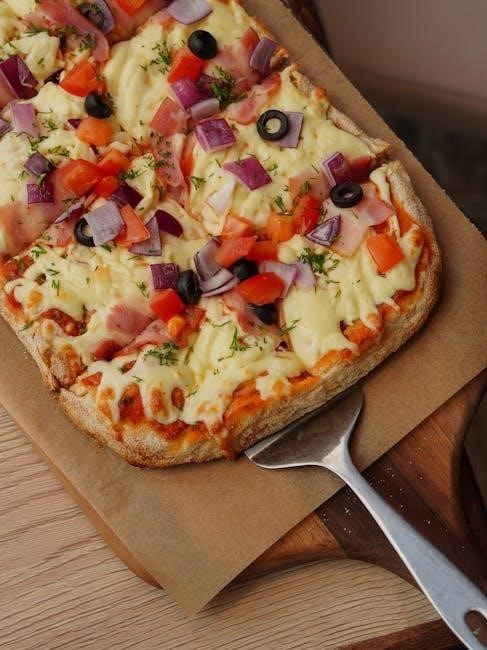
One of the most frequent frustrations when cutting pizza is cheese adhering to the blade. This often happens when the pizza is too warm‚ causing the cheese to become overly elastic and cling to the cutter’s surface. A simple solution is to allow the pizza to cool slightly before attempting to slice it.
Furthermore‚ using a warm or lightly oiled cutter can significantly reduce sticking. A room temperature chef’s knife‚ as opposed to a cold one‚ is particularly effective. Gently wiping the blade between slices also prevents cheese buildup. For stubborn sticking‚ a quick dip in warm water can help release the cheese. Remember‚ consistent‚ clean cuts are easier to achieve with a cheese-free blade‚ improving both presentation and enjoyment.
Crust Crumbling During Cutting
A common issue‚ especially with thinner or older pizzas‚ is the crust crumbling during the cutting process. This often stems from applying too much downward pressure or using a dull blade. To mitigate this‚ prioritize a sharp cutting tool and employ a smooth‚ sawing motion rather than forcing the blade through the crust.
For thicker crusts‚ ensuring you cut through layers without crushing them is vital. A rocking motion with a mezzaluna knife can be particularly effective. Allowing the pizza to cool slightly can also help firm up the crust‚ reducing crumbling. Avoid jerky movements and maintain consistent pressure for cleaner cuts and a more presentable pizza slice.