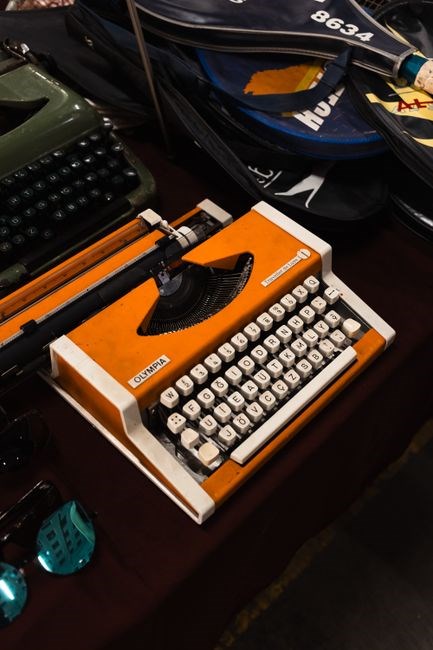
Welcome to the Smith Corona typewriter manual, your definitive guide to mastering this classic machine; This resource covers everything from basic operation to advanced maintenance, ensuring reliable performance and preserving the legacy of a timeless writing instrument. Use this manual to your machine now
Purpose and Scope of the Smith Corona Typewriter Manual
This manual serves as a reference for users, technicians, and collectors of Smith Corona typewriters. It outlines the intended audience, the breadth of coverage, and the applications of the information presented. By detailing procedures, guidelines, and troubleshooting steps, the manual equips readers with the knowledge to maintain optimal performance and extend the lifespan of their machines
The scope includes all major models produced between 1940 and 1980, with specific sections dedicated to the 100, 200, 300, and 400 series. Each chapter is designed to address a distinct aspect of the typewriter, from initial setup and ribbon replacement to advanced mechanical repairs and archival preservation techniques. The manual also incorporates safety precautions, recommended tools, and best practices for both everyday use and long‑term storage.
- Audience: Beginners, experienced users, repair technicians, and historical enthusiasts.
- Content: Step‑by‑step instructions, diagrams, troubleshooting charts, and maintenance schedules.
- Format: Clear, concise language with illustrative visuals to aid comprehension.
By following the guidance herein, readers will gain confidence in operating their typewriters, diagnosing common issues, and performing routine upkeep. The manual’s structured approach ensures that users can quickly locate the information they need, thereby reducing downtime and preserving the mechanical integrity of these iconic writing instruments.
Model Identification
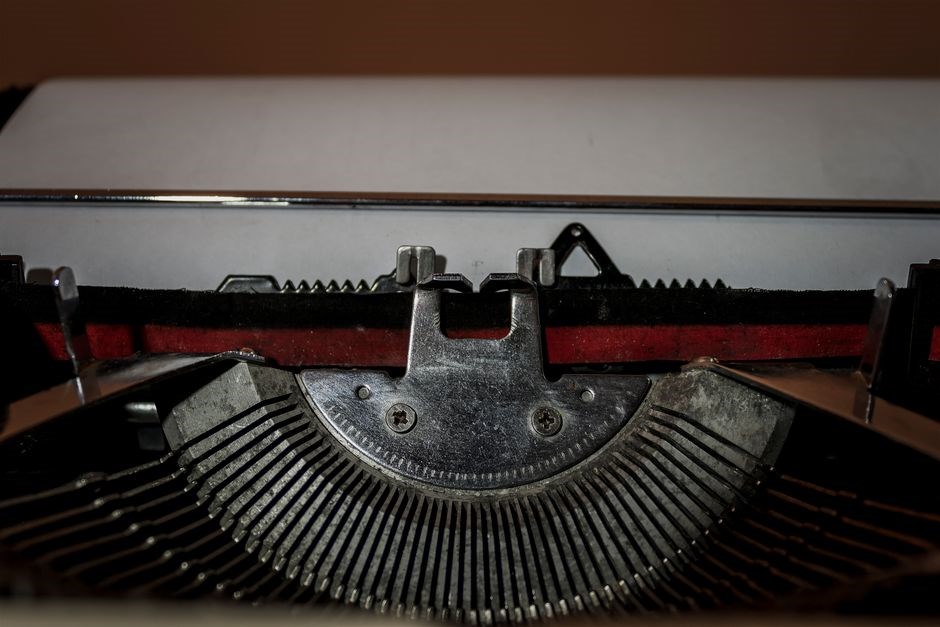
Identify your Smith Corona typewriter by noting the model number stamped on the back, the distinctive key layout, and the unique ribbon cartridge design. Cross‑reference these features with the model list to confirm the exact series and year of manufacture; Check serial ID now !!.
Recognizing Model Numbers and Key Visual Features
Smith Corona typewriters are distinguished by a combination of serial identifiers, keycap shapes, and mechanical markers that reveal the model’s heritage and function. The serial number, usually etched near the front or back of the machine, provides a unique fingerprint that can be cross‑referenced with the manufacturer’s catalog to confirm the exact year and production batch. Look for a stamped series code—often a letter or two followed by a four‑digit number—located on the underside of the platen or on the top of the carriage. This code is the quickest way to determine whether you have a 1940s “Model 20” or a later “Model 30” variant, each with distinct ribbon feed mechanisms and key travel distances.
Additionally, the typewriter’s external chassis can reveal its lineage. Early “Model 20” units often have a chrome‑plated frame with a pronounced, rounded handle, while later “Model 30” units feature a matte black finish and a recessed handle for a cleaner aesthetic. The presence of a built‑in carriage counter—visible as a small window on the front—also signals a later production run. By combining these visual markers—serial numbers, keycap shapes, ribbon cartridge design, and chassis finish—you can accurately classify your Smith Corona typewriter and access the appropriate maintenance instructions.
For collectors, the model’s serial number often correlates with the factory’s location and production year, offering a context that typing.?! When you encounter a rare variant, consult the manufacturer’s archive for detailed specifications and restoration guides..

Hardware Overview
The Smith Corona typewriter features a robust chassis, a precision‑engineered platen, a lever‑driven carriage, and a ribbon feed system. Key components include the typebars, key assemblies, and the platen roller, all designed for smooth, durable typing. Its construction ensures operation over decades!
Key Mechanical Components and Their Functions
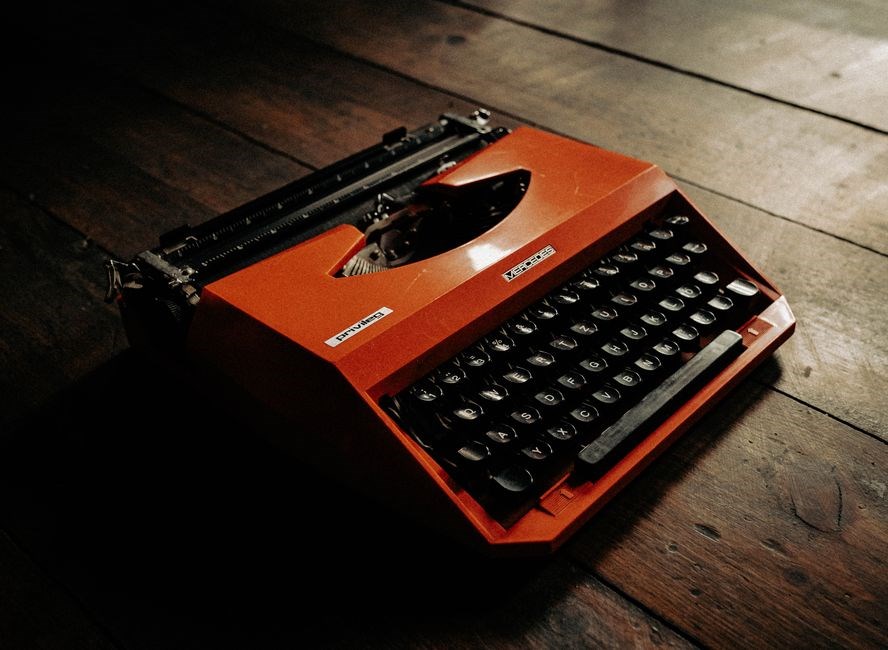
The Smith Corona typewriter’s core mechanical architecture is built around several critical components that together deliver precise, reliable typing performance. Central to the system is the typebar assembly, a set of 26 individually hinged bars each bearing a letter, number, or symbol. When a key is depressed, its corresponding typebar pivots forward, striking the platen and imprinting the character onto the paper. The typebars are guided by a series of springs and a tensioning mechanism that ensures uniform force and consistent character height across the entire keyboard.
The carriage, a metal frame that slides along the carriage rails, holds the paper and the platen roller. It is driven by a worm gear and machined wheels that translate key strokes into smooth motion. The carriage’s spring pulls it back after each line, allowing the typist to maintain rhythm and accuracy. The platen roller, a rubber‑lined cylinder, presses the paper against the typebars. Its tension is adjustable via a screw on the roller’s shaft, enabling control over the pressure applied during typing. Proper tension: too loose and characters will be faint; too tight and the machine will wear prematurely. A small lever on the carriage allows the operator to advance the ribbon, preventing ink buildup and extending the ribbon’s life. Key assemblies are mounted on points, to a lever that transfers motion to the typebar. The entire mechanism is enclosed within a sturdy metal chassis that protects the moving parts from dust and debris, ensuring longevity and performance over years of use. Each key’s lever ensures precise character imprinting. and typing!!!!

Installation and Setup
Begin by unboxing the typewriter, checking for all parts listed in the parts inventory. Assemble the carriage and ribbon assembly as described, then install the ink ribbon, aligning it with the platen. Finally, test a few keystrokes to ensure smooth operation before use.
Unboxing, Assembly, and Ribbon Installation Procedures
Unboxing the Smith Corona typewriter starts with inspecting the outer cardboard box. Remove the protective bag to reveal the body, spare keys, ribbon cartridge, cleaning brush, instruction booklet, screws and screwdriver. Confirm all items are present before proceeding. The typewriter’s weight and balance feel reassuring, and the
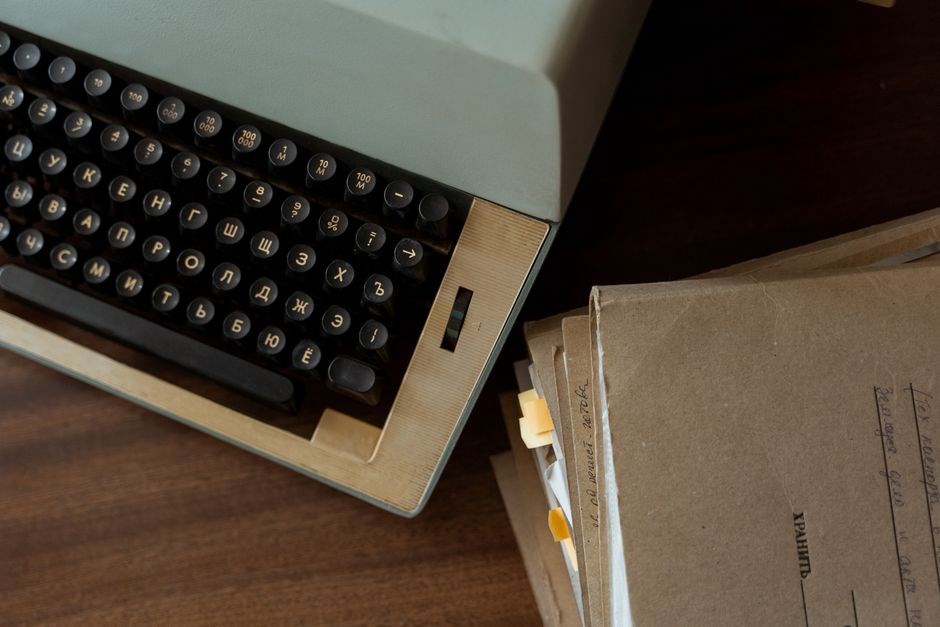
Assembly is simple. Place the typewriter on a flat, stable surface. Attach the carriage by aligning its mounting holes with the frame. Secure with supplied screws, tightening evenly to prevent wobble. Install the platen by sliding it into its groove, then lock the carriage in place. The carriage moves smoothly, and the
Ribbon installation needs careful handling. Open the compartment latch, remove any old ribbon, then insert the new cartridge. Align the ribbon spool with the carriage guide, pull taut, and feed through the guide ensuring no twists. Close the latch and test by typing a line. Ensure the ribbon tension is correct for crisp output.
After ribbon setup, perform a quick test run. Type a standard test sheet to observe carriage movement, key travel, and ribbon feed. If a key feels stiff, gently tap it and apply a small amount of typewriter oil to the key mechanism. Ensure smooth platen rotation by turning the wheel manually. The wheel turns easily, confirming proper lubrication.
If issues persist, refer to the troubleshooting section or contact customer support for assistance. Proper care and regular maintenance will extend the life of your Smith Corona typewriter. Contact support for
Typing Mechanics
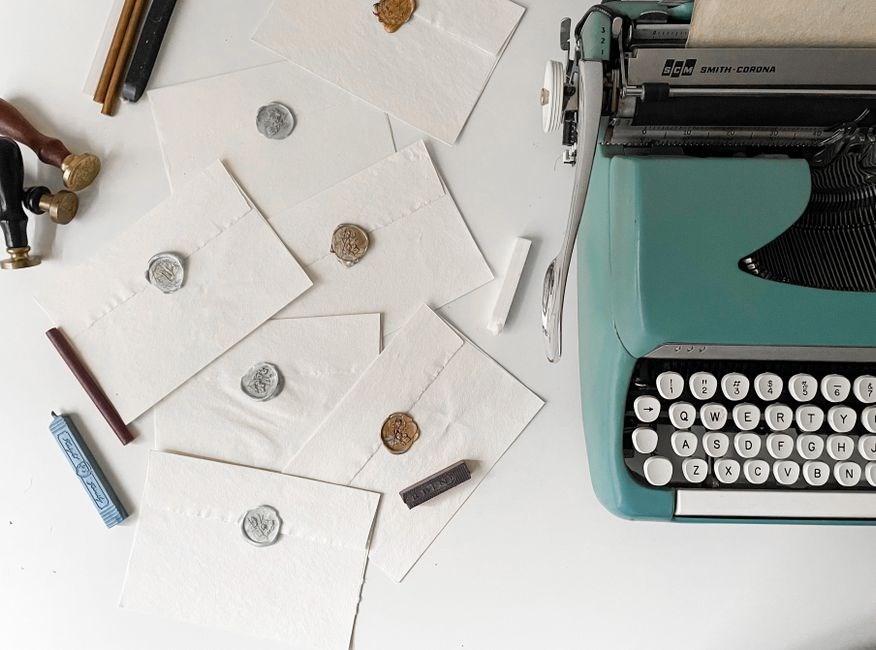
Typing on a Smith Corona typewriter requires a steady hand and proper key technique. Press each key firmly, allowing the carriage to advance smoothly. Keep your fingers aligned, use the space bar for spacing, and monitor ribbon tension for consistent ink flow.Type with confidence!!
Typing Technique, Key Maintenance, and Accuracy Tips
Mastering the Smith Corona typewriter starts with a steady, rhythmic hand. Keep your fingers lightly resting on the home row, thumbs poised over the space bar. When striking a key, apply consistent pressure—enough to engage the platen but not so hard that the carriage stalls. This balanced force ensures smooth carriage travel and reduces wear on the escapement mechanism. After each session, inspect the keys for dust and debris. Use a soft brush or compressed air to clear the key wells, and wipe the key tops with a lint‑free cloth dampened with mild soap solution. Avoid excessive moisture; a dry wipe will keep the metal surfaces free of corrosion. If a key feels sticky, apply a drop of isopropyl alcohol to a cotton swab and gently clean the contact points. Accuracy hinges on a few simple habits. First, maintain a steady typing rhythm—think of the typewriter as a metronome. Second, use the space bar to create uniform spacing; avoid over‑spacing by keeping your thumbs in the same position for each space. Third, pause briefly after each line to check alignment; this prevents cumulative errors. Finally, practice with a ruler or lined paper to develop a consistent line height and margin. For advanced users, consider adjusting the carriage return lever. A slightly looser lever allows the carriage to advance more quickly, which can improve typing speed. However, too much looseness may cause the carriage to skip, so fine‑tune until you find the sweet spot. Remember that the Smith Corona’s escapement is designed for moderate force; over‑tightening the lever can lead to premature wear. In summary, effective typing on a Smith Corona typewriter relies on a steady hand, regular key cleaning, and mindful spacing. By integrating these techniques into your routine, you’ll enjoy crisp, error‑free output while extending the life of your machine.
Troubleshooting Common Issues
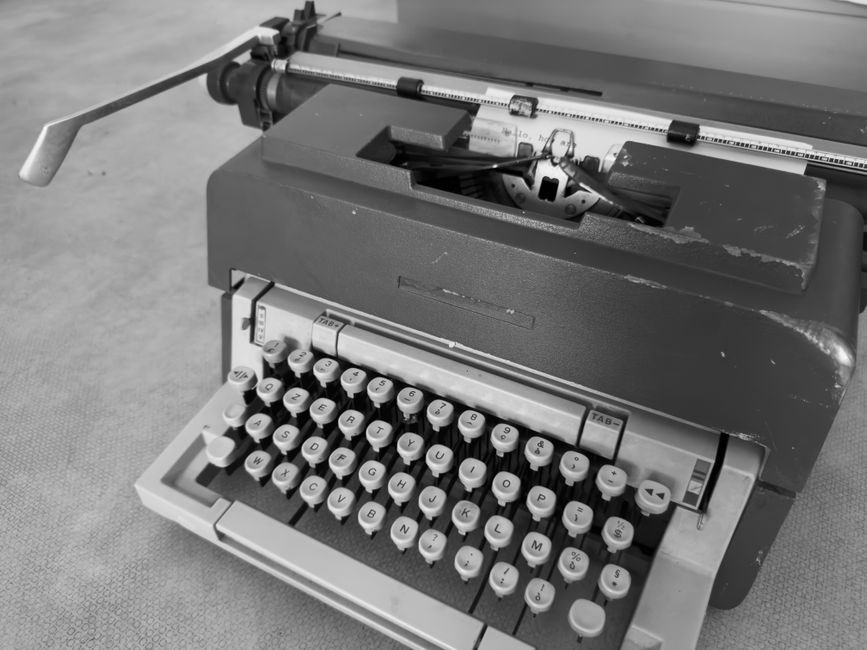
When the carriage stalls, check the escapement for obstructions. If the ribbon runs out, replace it with correct type. For uneven spacing, clean key wells and adjust the carriage return lever. Jams may require professional service. If the carriage does not return, inspect the return lever and adjust tension.
Step‑by‑Step Problem‑Solving Guide for Typical Problems
Follow these steps to resolve common Smith Corona problems:
- Carriage Stalling: Clear the return lever and inspect the escapement for bent parts. Replace damaged components.
- Ribbon Failure: Re‑insert ribbon, clean guides, and replace if worn.
- Uneven Spacing: Clean key wells, adjust the spacing screw, and test after each change.
- Key Jamming: Remove debris, lubricate springs, and test each key.
- Return Lever: Align lever arm and tighten mounting screws.
- Print Head: Clean head, reinstall platen, and verify alignment.
- Power Issues: Check outlet, replace frayed cord, test regulator.
- Maintenance: Disassemble carriage, clean parts, replace bearings and springs.

Record actions and parts. If issues remain, consult a technician.
When performing any repair, always power off the machine and disconnect the cord. Use a soft brush to clear dust from key wells and the platen. Apply a few drops of machine oil to the return springs, avoiding excess that can attract dust. After reassembly, run a test sheet to verify proper carriage movement, ribbon tension, and key response. If any irregularities persist, check the escapement linkage for proper alignment and ensure the ribbon is seated correctly. Proper documentation of each step aids future repairs and helps maintain warranty compliance.
Keep a log of adjustments and parts replaced; this record aids repairs warranty compliance.
Maintenance and Care
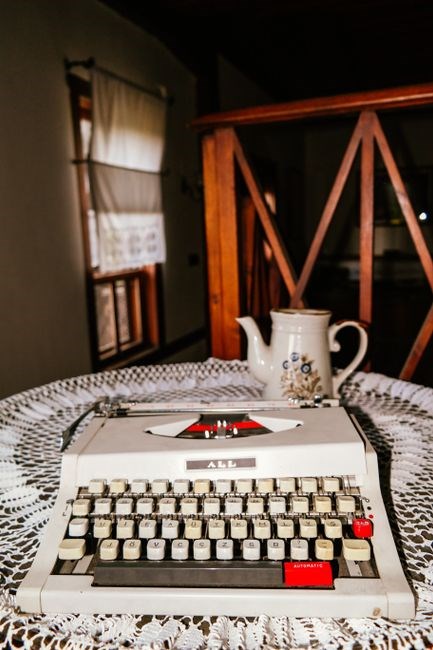
Regular cleaning, oiling moving parts, checking ribbon tension, and storing in a dry place keep the typewriter in top shape. Replace worn bearings, springs, and ribbon to maintain smooth typing. Follow the manual’s guidelines for safe maintenance. Keep the machine clean now !!
Cleaning Instructions, Parts Replacement, and Proper Storage
Begin by disconnecting the typewriter from any power source and removing the top cover. Use a soft, lint‑free cloth lightly dampened with a mild soap solution to wipe the exterior, avoiding excessive moisture. For the platen, apply a small amount of typewriter‑specific oil to the roller, then run the machine in reverse to distribute evenly. Dust the keybed with a compressed‑air duster, followed by a gentle sweep with a soft brush to remove ink residue. Replace worn components such as the platen roller, key springs, and ribbon tension springs when they show signs of wear—typically after 10,000–15,000 strokes. To replace a ribbon, lift the ribbon holder, insert a fresh ribbon, and adjust the tension lever so the ribbon feeds smoothly. Store the typewriter in a climate‑controlled environment, ideally between 50 °F and 70 °F, with humidity kept below 50 %. Keep the machine covered with a breathable cloth to prevent dust accumulation, and avoid stacking heavy objects on top. Periodically inspect the carriage return mechanism for smooth operation, lubricate the return lever with a light oil, and ensure the carriage stays aligned. By following these steps, you preserve the mechanical integrity and prolong the life of your Smith Corona typewriter. For long‑term preservation, it is advisable to periodically perform a full mechanical inspection, including checking the alignment of the carriage, the tension of the ribbon, and the condition of the typebars; any deviation should be corrected promptly to avoid costly repairs. And keep it running smoothly.!